If you’ve ever plugged a quality pair of headphones into your phone or laptop and felt like something was missing, you’re not imagining it. Most consumer devices simply don’t have the hardware to properly drive high-quality headphones.
That’s where a headphone amplifier comes in. Understanding the best headphone amps, what makes them worth considering, and how to match one to your setup can genuinely transform your listening experience.
This guide is designed to help you cut through the noise, whether you’re a curious beginner or someone who already owns a solid pair of cans and wants to get more out of them.
Key Takeaways
- A headphone amp boosts the audio signal from your source device to properly drive your headphones
- High-impedance headphones (150 ohms and above) benefit the most from a dedicated amp
- Headphone amps come in three main types: solid-state, tube, and hybrid
- A DAC (digital-to-analog converter) is often paired with a headphone amp and is sometimes built in
- Budget-friendly amps can still make a meaningful difference, especially with demanding headphones
- Portable amps exist for on-the-go use, while desktop amps are better for home listening setups
- Matching amp output impedance to your headphones is critical for clean, accurate sound
What Is a Headphone Amp and Why Do You Need One?
A headphone amplifier is a dedicated piece of audio equipment that increases the power of an audio signal before it reaches your headphones. Unlike the basic amplification built into phones, laptops, or even some receivers, a standalone headphone amp is specifically engineered to deliver clean, controlled power to your headphones.
The need for one comes down to a few factors: headphone impedance, sensitivity, and the quality of the amplification circuit in your source device. Many audiophile-grade headphones, particularly planar magnetic and high-impedance dynamic drivers, simply don’t reach their potential without proper amplification.
Think of it this way: your headphones might be capable of producing incredibly detailed sound, but if the signal driving them is weak or distorted, you’ll never hear it. A good amp removes that bottleneck.
Types of Headphone Amps
Solid-State Amps
Solid-state amps use transistors to amplify the signal. They’re known for accuracy, low noise, and reliability. If you want a clean, neutral sound that represents the recording faithfully, solid-state is usually the go-to choice. They also tend to run cooler and require less maintenance.
Tube Amps
Tube amplifiers use vacuum tubes to amplify audio. They’re beloved for adding warmth and harmonic richness to the sound, which many listeners find more musical or engaging. The tradeoff is that tubes introduce a degree of coloration, which purists sometimes avoid. They also require tube replacement over time.
Hybrid Amps
Hybrid amps combine tube and solid-state technology, typically using a tube in the preamp stage and transistors in the output stage. This gives you some of the warmth of tubes with the control and power of solid-state circuits. They’re a popular middle-ground option.
Portable vs. Desktop Amps
- Portable amps are battery-powered and designed for use with phones, DAPs (digital audio players), or laptops on the go
- Desktop amps are larger, plug into the wall, and are intended for home listening setups
- Desktop amps generally offer more power and better build quality for the price
Understanding Impedance and Why It Matters
Headphone impedance is measured in ohms, and it plays a major role in determining whether you need an amp at all. Do lower ohm speakers sound better? is a question that parallels a similar debate in the headphone world, and the underlying principles around impedance matching apply across both.
Here’s a general guide:
| Impedance Range | Amp Requirement |
|---|---|
| Under 32 ohms | Usually fine without a dedicated amp |
| 32 to 150 ohms | May benefit from an amp, especially at higher volumes |
| 150 to 300 ohms | Strongly recommended to use a dedicated amp |
| 300 ohms and above | A dedicated amp is essentially required |
Sensitivity also matters. A headphone rated at 88 dB/mW needs significantly more power to reach the same volume as one rated at 110 dB/mW. High-impedance, low-sensitivity headphones are the biggest beneficiaries of dedicated amplification.
DAC vs. Amp: What’s the Difference?
These two terms often appear together, and it’s worth separating them. A DAC (digital-to-analog converter) converts digital audio files into analog signals that your headphones can reproduce. A headphone amp then takes that analog signal and boosts it.
Many modern headphone amps include a built-in DAC, often called a DAC/amp combo. These all-in-one units are convenient and often represent excellent value. If you’re listening from a computer or phone, a DAC/amp combo handles both conversion and amplification in one device.
If you already have a high-quality DAC or an analog source like a turntable with a phono preamp, you might only need a standalone amp. It’s also worth understanding that speakers sound better with more power up to a point, and the same logic applies to headphone amplification: adequate, clean power matters more than raw wattage.
What to Look for in a Headphone Amp
Output Power
Measured in milliwatts (mW), output power determines how loud and controlled the amp can drive your headphones. More power isn’t always better, but you want enough headroom to drive your specific headphones without distortion.
Output Impedance
This is often overlooked but critically important. A general rule is that your amp’s output impedance should be no more than one-eighth of your headphone’s impedance. High output impedance can alter frequency response, making bass bloated or treble harsh.
Noise Floor
A good amp should be dead silent when no music is playing. Hiss, hum, or static at low volumes is a sign of a noisy circuit, which will be audible with sensitive in-ear monitors. If you’re experiencing unexpected noise from your audio chain, it’s worth understanding why speakers pop or make unwanted noise, as some of the same interference causes can affect headphone setups too.
Connectivity
Consider what inputs and outputs you need:
- USB input (for connecting to a computer)
- Optical or coaxial input (for digital sources)
- RCA input (for analog sources like turntables or receivers)
- 3.5mm and 6.35mm headphone outputs
- Balanced output (XLR or 4.4mm) for balanced headphone cables
Headphone Amp Comparison: Key Specs at a Glance
| Feature | Budget Amp | Mid-Range Amp | High-End Amp |
|---|---|---|---|
| Price Range | Under $100 | $100 to $500 | $500 and above |
| Output Power | 100 to 300 mW | 300 mW to 1W | 1W and above |
| DAC Included | Often | Sometimes | Rarely (separate) |
| Tube Option | Rarely | Sometimes | Common |
| Balanced Output | Rarely | Sometimes | Common |
| Best For | Low to mid impedance | Most headphones | Demanding planars/high-Z |
Who Actually Benefits from a Headphone Amp?
Not everyone needs one. If you’re using wireless earbuds or low-impedance in-ears, your phone handles amplification just fine. But if any of the following apply to you, a dedicated amp is worth exploring:
- You own headphones with an impedance of 150 ohms or higher
- Your headphones sound quiet even at maximum volume on your device
- You notice distortion or muddiness at higher volumes
- You’re using planar magnetic headphones, which are notoriously power-hungry
- You’re building a desktop listening setup and want the best possible sound
If you’re exploring ways to improve your overall audio setup, it’s also worth thinking about how component speakers and amplification work together in broader audio contexts, since many of the same principles apply. And if you’re building a more complete desktop listening environment, pairing a headphone amp with a quality set of powered bookshelf speakers is a natural next step. The Edifier R1280T powered bookshelf speakers are a popular choice for exactly this kind of setup.
Common Mistakes to Avoid
- Buying an amp before buying good headphones. The headphones are the most important part of the chain. Amplifying poor headphones just makes them louder, not better.
- Ignoring output impedance. A cheap amp with high output impedance can actually make your headphones sound worse.
- Overspending on an amp for sensitive, low-impedance headphones. A $30 dongle DAC is genuinely all some headphones need.
- Forgetting about the source. An amp can’t fix a low-quality audio file or a noisy source device.
- Assuming more power always equals better sound. Too much power with sensitive headphones can introduce distortion and listening fatigue.
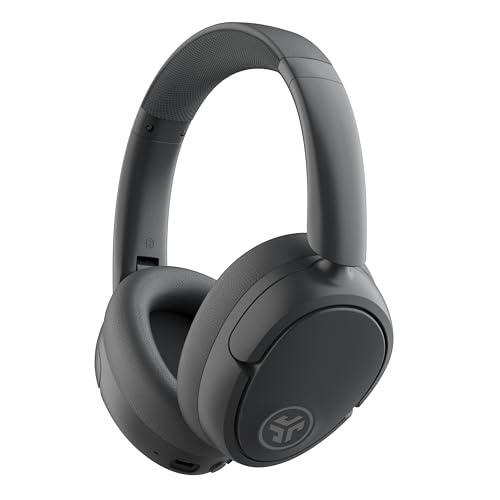
If you’re also considering over-ear headphones as part of your setup, reviews like the JBL Tune 770NC offer a useful reference point for understanding what modern headphones deliver at different price tiers, which in turn helps you decide how much amp investment is actually warranted.
Conclusion
A headphone amp is not a luxury reserved for audiophiles with unlimited budgets. It’s a practical tool that addresses a real limitation in most consumer electronics. When matched correctly to your headphones and source, a good amp unlocks detail, dynamics, and control that simply isn’t available from a phone headphone jack.
The key is matching the amp to your specific headphones and use case. Understand your headphone’s impedance and sensitivity, decide between solid-state and tube based on your sonic preferences, and consider whether you need a DAC built in. From there, even a modestly priced amp can make a meaningful and immediately noticeable difference.
Frequently Asked Questions
Do I need a headphone amp if I use Bluetooth headphones?
No. Bluetooth headphones have their own built-in amplifier and DAC, so a separate amp adds nothing to the signal chain.
Can a headphone amp damage my headphones?
Yes, if you use an amp with far more power than your headphones can handle and push the volume too high, it can damage the drivers. Always check your headphones’ maximum power rating.
What’s the difference between a headphone amp and a receiver with a headphone jack?
A receiver’s headphone jack is usually a basic, low-powered output. A dedicated headphone amp is designed specifically to drive headphones with better control, lower noise, and more appropriate power delivery.
Is a more expensive headphone amp always better?
Not necessarily. A well-designed $100 amp can outperform a poorly designed $300 one. Focus on specs like output impedance, noise floor, and power output relative to your headphones rather than price alone.
Do headphone amps work with all headphones?
They work with any wired headphone, but the benefit varies. High-impedance and planar magnetic headphones see the greatest improvement, while low-impedance, high-sensitivity earphones may show little to no audible difference.