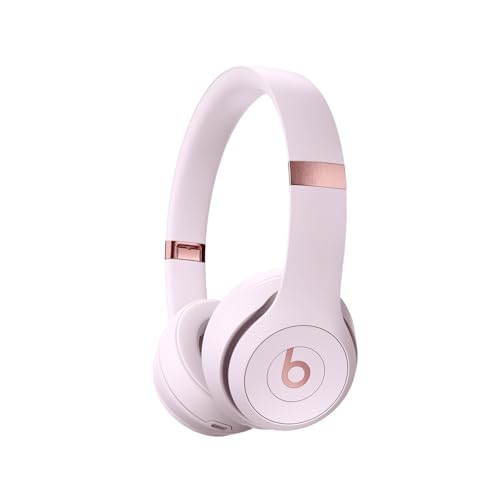
The Beats Solo 4 are wireless on-ear Bluetooth headphones designed for everyday listeners who want a balance of style, comfort, and audio quality without stepping into audiophile territory. They sit at of Amazon’s on good reason, offering a thought over previous Solo models with improved drivers, spatial audio, and a remarkably long
This review covers everything you need to know before buying, from sound performance to build quality and realability. If you’re already considering a purchase, you can check pricing and availability on Amazon here.
Quick Answer: Are the Beats Solo 4 Worth Buying?
The Beats Solo 4 are worth buying for most casual listeners and commuters. They offer up to 50 hours of battery life, personalized spatial audio, and a lightweight design at a competitive price point. They are not ideal for audiophiles seeking reference-level accuracy, but for everyday use across iOS and Android, they deliver reliable, enjoyable sound.
Key Takeaways
- Up to 50 hours of battery life with Fast Fuel support (5 hours from a 10-minute charge)
- Personalized Spatial Audio with dynamic head tracking for an experience
- High-resolution lossless audio available through USB-C or 3.5mm wired connection
- Ultralight, ergonomic build with UltraPlush cushions designed for extended wear
- Compatible with both Apple and Android devices with one-touch pairing
- Custom acoustic architecture delivers a more balanced sound than earlier Beats models
Sound Quality: What Does the Beats Solo 4 Actually Sound Like?
The Beats updated custom drivers a redesigned acoustic architecture that moves away from the bass-heavy signature Beats was historically known for. The result is a more balanced, fuller sound that handles mids and highs with greater clarity than its predecessors.** is still present andying, but it no longer overwhelms vocals or instruments. Tresp without becoming and the midrange has improved noticeably compared to the Solo 3. For a deeper look at how driver design affects sound, see our guide on [planar magnetic vs dynamic driverphones explainediecastaudio.com/planar-magnetic-vs-dynamic-driver-headphones-explained/).
Does the Beats Solo 4 Have Active Noise Cancellation?
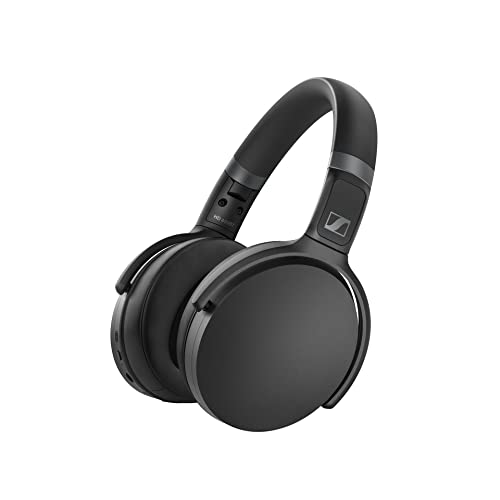
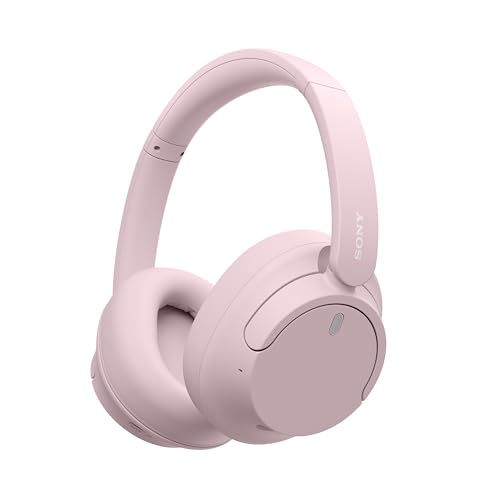
No. The Beats Solo 4 does not include active noise cancellation. This is one of the most common points of confusion for buyers. If ANC is a priority for your commute or work environment, you may want to consider alternatives. Our Sony WH-CH720N review covers a lightweight ANC option at a similar price range.
Spatial Audio: Is It Worth Using?
Personalized Spatial Audio with dynamic head tracking is one of the Solo 4’s standout features. It creates a wider, more three-dimensional soundstage that makes music and movies feel more immersive. The personalization feature uses your device’s camera to map your ear shape, which improves accuracy.
This works devices and supported streaming services, though Android users can still access a version of spatial audio.
Comfort and Design
The Beats Solo 4 are built around an ultralight ergonomic design. The flex-grip headband adjusts smoothly, and the ear cups are angled to follow the natural contour of your head. UltraPlush cushions add softness without sacrificing durability.
For on-ear headphones, long listening sessions can sometimes cause discomfort. Beats has addressed this with the Solo 4 more effectively than previous versions, though over-ear designs still have the edge for multi-hour wear. If you’re comparing on-ear to over-ear options, our breakdown of open-back vs closed-back headphones explains the comfort and sound tradeoffs in detail.
The Cloud Pink colorway reviewed here is a clean, muted option that avoids looking overly flashy. Build quality feels solid without being heavy.
Battery Life: How Long Do the Beats Solo 4 Last?
The Beats Solo 4 offers up to 50 hours of battery life, which is exceptional for wireless this category. Even heavy daily users are unlikely to need to charge more than once a week.
Fast Fuel charging provides up to 5 hours of playback from just a 10-minute charge via USB-C, which is genuinely useful when you’re in a rush. Charging via USB-C also aligns with modern device ecosystems, reducing the need for multiple cable types.
Wired Audio: Does Lossless Audio Make a Difference?
Yes, when used with a wired connection. The Beats Solo 4 supports high-resolution lossless audio through both USB-C and 3.5mm connections. This means you can bypass Bluetooth compression entirely and hear music as it was recorded, provided your source file is lossless quality.
This is a feature typically found on morephones and adds genuine value for who care about audio fidelity. Bluetooth audio, while convenient, compresses audio data. Wired lossless playback eliminates that compression entirely.
Compatibility: Do the Beats Solo 4 Work With Android?
Yes. The Beats Solo 4 supports both Apple and Android devices through one-touch pairing. Apple users deeper integration through the H2 chip, including automatic device switching and Siri access. Android users get Google Fast Pair and access to the Beats app for EQ adjustments and firmware updates.
This dual compatibility makes the Solo 4 one of the more versatile options in the Beats lineup. For a broader look at how to evaluate wireless headphones across platforms, our wired vs wireless earbuds guide covers the key tradeoffs worth.
Who Should Buy the Beats Solo 4?
Best for:
- Commuters and students who want long battery life and reliable Bluetooth
- Apple ecosystem users who want spatial audio and seam switching
- Android users who want a well-built, feature-rich headphone without brand lock-in
- Anyone upgrading from older Beats models or basic ideal for:**
- Listeners who need active noise cancellation in loud environments
- Audiophiles seeking flat, reference-accurate sound reproduction
- People who find on-ear designs uncomfortable during extended sessions
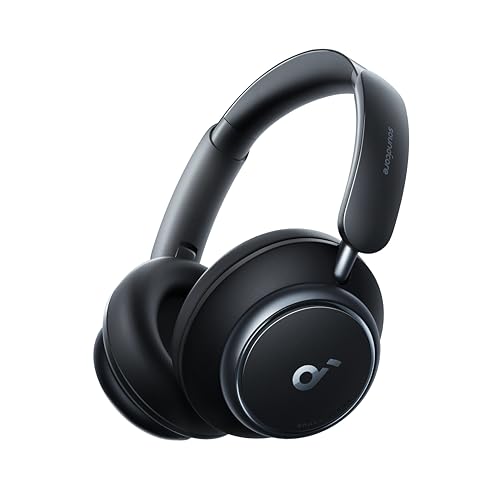
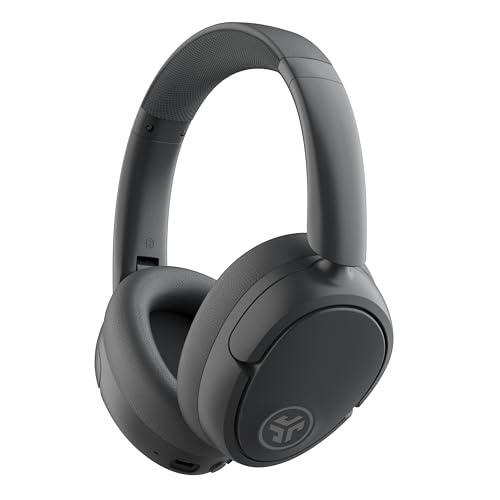
For those specifically looking for ANC on a budget, our JLab Studio Pro ANC review and Anker Soundcore Q45 review are worth reading before making a decision.
Beats Solo 4 vs. Competitors: Quick Comparison
| Feature | Beats Solo 4 | Sony WH-CH720N | Anker Q
| ANC | No | Yes | Yes Life | 50 hours | 35 hours | 50 hours |
|---|---|---|---|---|---|---|
| Spatial Audio | Yes | No | No | |||
| Lossless Wired Audio | Yes | No | No | |||
| Price Range | Mid | Mid | Budget |
Conclusion
The Beats Solo 4 is a well-rounded wireless on-ear headphone that delivers meaningful improvements over previous generations. The combination of 50-hour battery life, spatial audio, lossless wired playback, and dual-platform compatibility makes it a strong choice for everyday listeners. The absence of active noise cancellation is worth noting, but it does not undermine the overall value for most use cases.
If you are looking, and feature-rich wireless headphone for commuting, travel, or daily listening, the Beats Solo 4 ear clear recommendation. View the Beats Solo 4 on Amazon to see current pricing and color options.
FAQs
Does the Beats Solo 4 have noise cancellation?
No, the Beats Solo 4 does not include active noise cancellation. It provides passive isolation from the ear cup seal, but there is no electronic noise-canceling system built in.
How long does the Beats Solo 4 battery last?
The Beats Solo 4 offers up to 50 hours of battery life on a full charge. The Fast Fuel feature provides up to 5 hours of playback from a 10-minute charge via USB-C.
Can you use the Beats Solo 4 with Android phones?
Yes, the Beats Solo 4 is fully compatible with Android devices and supports Google Fast Pair for quick Bluetooth pairing. The Beats app is also available on Android for EQ and firmware management.
Is the Beats Solo 4 good for working out?
The Solo 4 is designed for everyday listening rather than athletic use. It lacks an IP sweat or water resistance rating, so it is not recommended for intense workouts or outdoor exercise in wet conditions.
What is the difference between the Beats Solo 4 and Solo 3?
The Solo 4 adds personalized spatial audio, updated drivers for more balanced sound, USB-C charging with lossless audio support, and improved comfort features. The Solo 3 relied on Micro-USB and lacked spatial audio entirely.