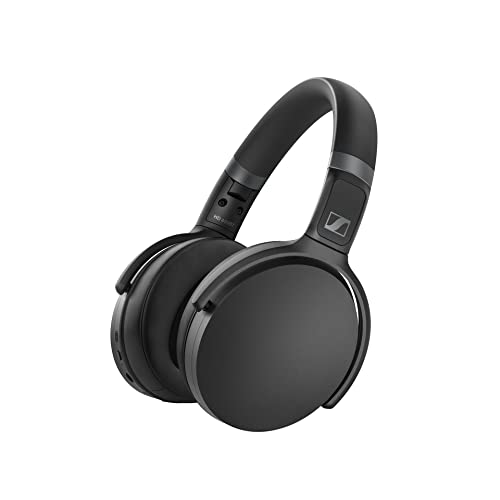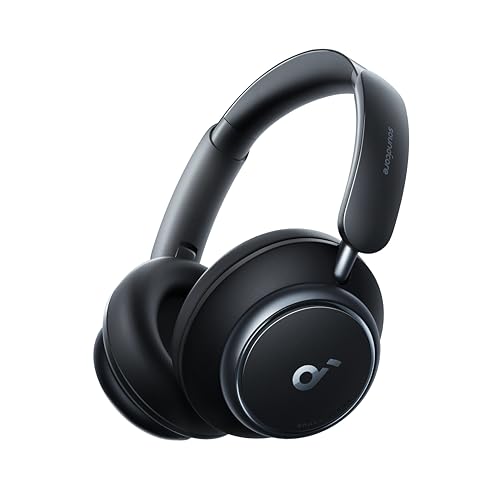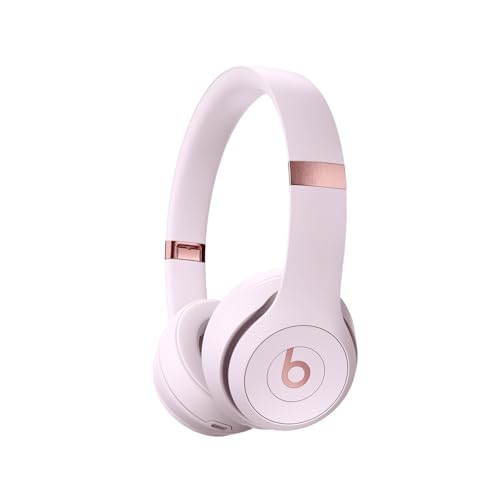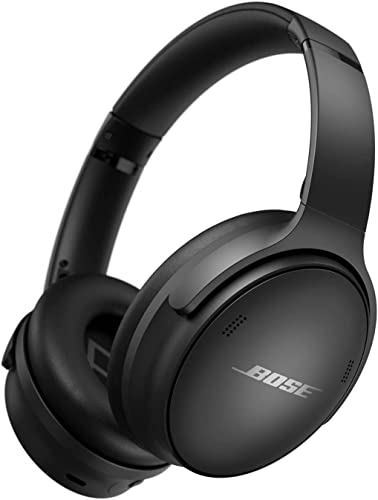
Headphones come in two fundamental designs: open-back and closed-back. The difference between them goes far beyond aesthetics. The way the ear cup is constructed directly affects how sound reaches your ears, how much noise enters from outside, and how comfortable they feel over long listening sessions.
Understanding this distinction helps you choose the right tool for the right situation. Whether you’re mixing audio, commuting, gaming, or just listening at home, the wrong choice can work against you.
Quick Answer
Open-back headphones have perforated ear cups that allow air and sound to pass through freely, creating a wider, more natural soundstage. Closed-back headphones seal the ear with solid cups, isolating you from outside noise. Neither is universally better. The right choice depends entirely on your listening environment and intended use.
Key Takeaways
- Open-back headphones offer a wider, more natural soundstage but provide no noise isolation
- Closed-back headphones block outside noise and prevent sound leakage, making them ideal for public or shared spaces
- Open-back designs are preferred for critical listening, mixing, and mastering in quiet environments
- Closed-back designs are better for commuting, recording, gaming, and office use
- Open-back headphones generally sound less “congested” or “in your head,” but the difference varies by model
- Neither design is inherently superior in sound quality; both can perform at audiophile levels
What Are Open-Back Headphones?
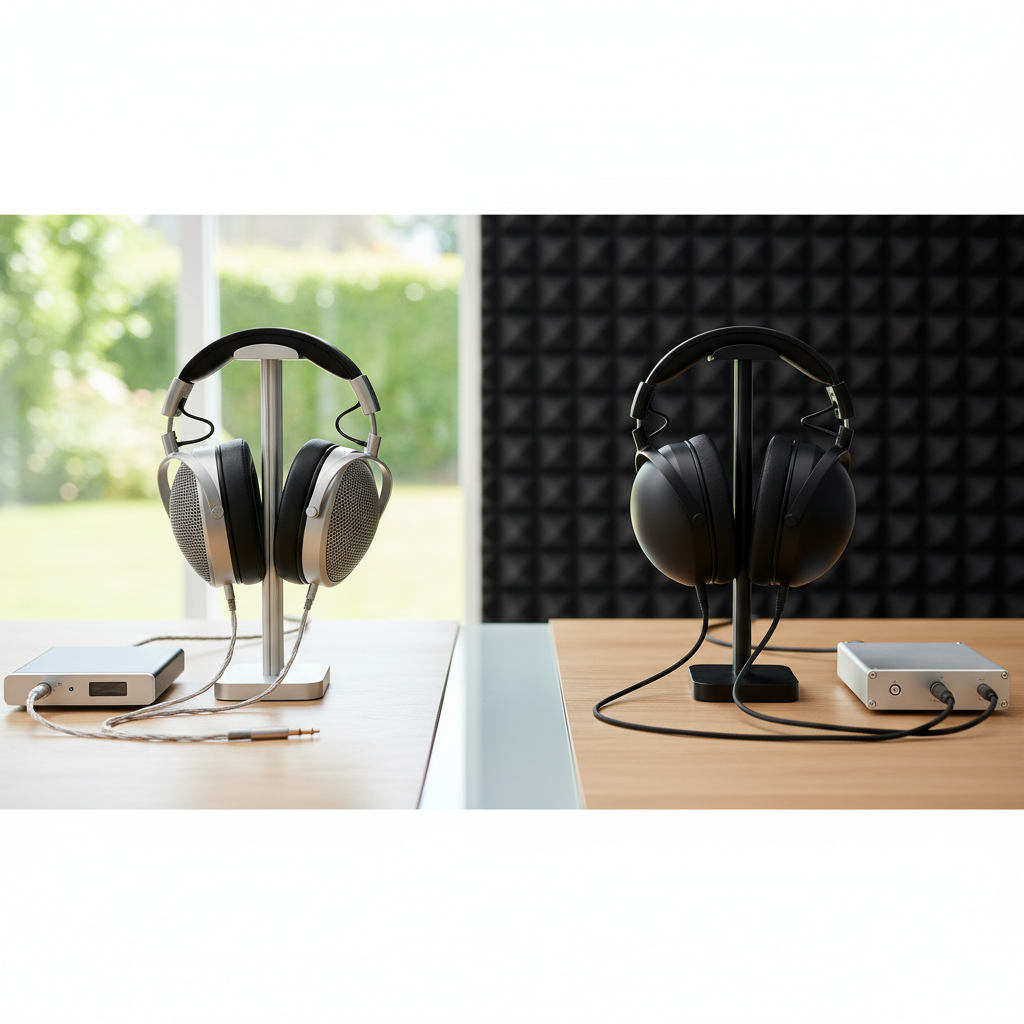
Open-back headphones have ear cups with perforated or mesh panels on the outside. This allows air to flow through the driver, which reduces pressure buildup and lets sound exit naturally.
The result is a wider soundstage and a more spacious, natural presentation. Many audiophiles and audio engineers prefer open-back headphones for this reason. Sound feels like it exists around you rather than inside your head.
The tradeoff: Open-back headphones leak sound in both directions. People nearby can hear what you’re listening to, and ambient noise enters freely. This makes them impractical in noisy or public environments.
What Are Closed-Back Headphones?
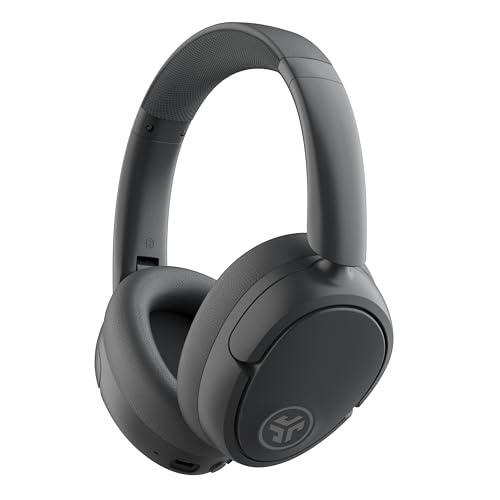
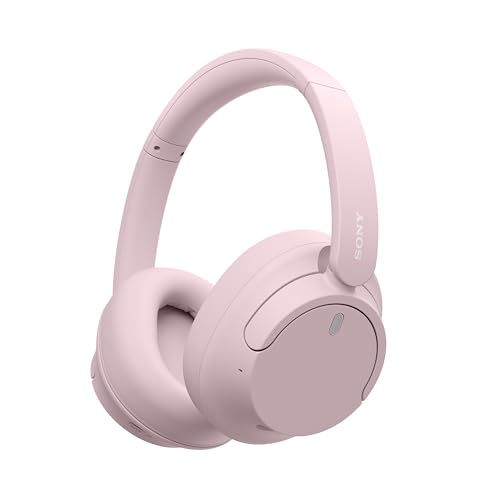
Closed-back headphones have fully sealed ear cups with no openings. The driver is enclosed, which physically blocks external sound from entering and prevents your audio from leaking out.
This makes them the practical choice for most everyday scenarios. They’re what most people picture when they think of standard headphones.
The tradeoff: The sealed design can create a more “closed-in” or “in-your-head” sound. Bass can feel more pronounced and the soundstage tends to be narrower, though modern closed-back designs have improved significantly in this area.
Open-Back vs Closed-Back: Side-by-Side Comparison
| Feature | Open-Back | Closed-Back |
|---|---|---|
| Soundstage | Wide, natural | Narrower, more intimate |
| Noise isolation | None | Moderate to high |
| Sound leakage | High | Minimal |
| Bass response | Leaner, more accurate | Stronger, sometimes boosted |
| Best environment | Quiet, private spaces | Public, shared, or loud spaces |
| Common use cases | Mixing, mastering, home listening | Commuting, gaming, recording |
Which Is Better for Music Listening at Home?
For home listening in a quiet room, open-back headphones are often the preferred choice among serious listeners. The open design produces a more realistic, three-dimensional soundstage that makes music feel more like a live performance.
If you prefer a more immersive or bass-heavy experience and don’t want to be disturbed by household noise, a quality closed-back model can work just as well. If you’re exploring best over-ear headphones under $200, you’ll find strong options in both categories at that price point.
Which Is Better for Studio and Recording Use?
This is where the two designs clearly serve different roles.
- Tracking and recording: Closed-back headphones are essential. They prevent microphone bleed by keeping audio from leaking out of the headphone and into an open mic.
- Mixing and mastering: Open-back headphones are typically preferred because they provide a more accurate and transparent representation of the audio without artificial bass buildup.
Many professional engineers own both types for exactly this reason.
Which Is Better for Gaming?
For gaming, both designs have merit, but the answer depends on your setup.
Open-back headphones offer a more immersive positional audio experience because of their wider soundstage. This can help with competitive games where hearing directional cues matters.
Closed-back headphones are better if you’re gaming in a shared space, on a headset with a microphone, or in a noisy environment. If you’re using a headphone amp to drive your headphones, open-back models often respond especially well to the added power.
Which Is Better for Commuting or Travel?
Closed-back headphones are the clear winner for commuting and travel. Open-back headphones offer zero passive noise isolation, which means ambient noise from trains, planes, and city streets will compete directly with your audio.
For travel situations, you may also want to consider active noise cancellation (ANC), which is only available in closed-back designs. The Soundcore Q20i and JBL Tune 770NC are solid examples of affordable closed-back ANC headphones built for on-the-go use.
Do Open-Back Headphones Sound Better?
Not inherently. Open-back headphones often sound more natural and spacious, but that doesn’t mean better in every context.
Sound quality depends on the driver, tuning, and build quality of the specific headphone, not just whether it’s open or closed. A well-tuned closed-back headphone will outperform a poorly built open-back model every time.
The Philips Fidelio X2HR, for example, is an open-back model that delivers genuinely audiophile-grade sound at a reasonable price, but that performance comes from its overall design, not just its open-back construction.
Conclusion
Open-back and closed-back headphones are designed for different purposes. Open-back models excel in quiet, private settings where soundstage and accuracy matter most. Closed-back models are the practical choice for noisy environments, travel, recording, and shared spaces.
The better option is always the one that matches your listening environment and use case. Understanding the core difference between these two designs is the first step toward making a genuinely informed purchase.
FAQs
Can you use open-back headphones in an office?
Open-back headphones leak sound significantly, which can disturb coworkers. They also offer no isolation from office noise. Closed-back headphones are a much better fit for office environments.
Do open-back headphones have better bass?
Not necessarily. Open-back headphones tend to have leaner, more accurate bass because the open design prevents pressure buildup. Closed-back headphones often deliver more prominent bass due to the sealed chamber effect.
Are closed-back headphones bad for your ears?
Closed-back headphones are not inherently harmful. Like any headphone, the risk to hearing comes from listening at high volumes for extended periods, not from the closed design itself.
Can open-back headphones be used for gaming?
Yes. Many gamers prefer open-back headphones for competitive play because the wider soundstage improves positional audio accuracy. However, they are not suitable for noisy environments or shared spaces.
What is soundstage in headphones?
Soundstage refers to the perceived width and depth of the audio space. A wider soundstage makes instruments and sounds feel more spread out and three-dimensional, similar to listening in a room rather than through earbuds.