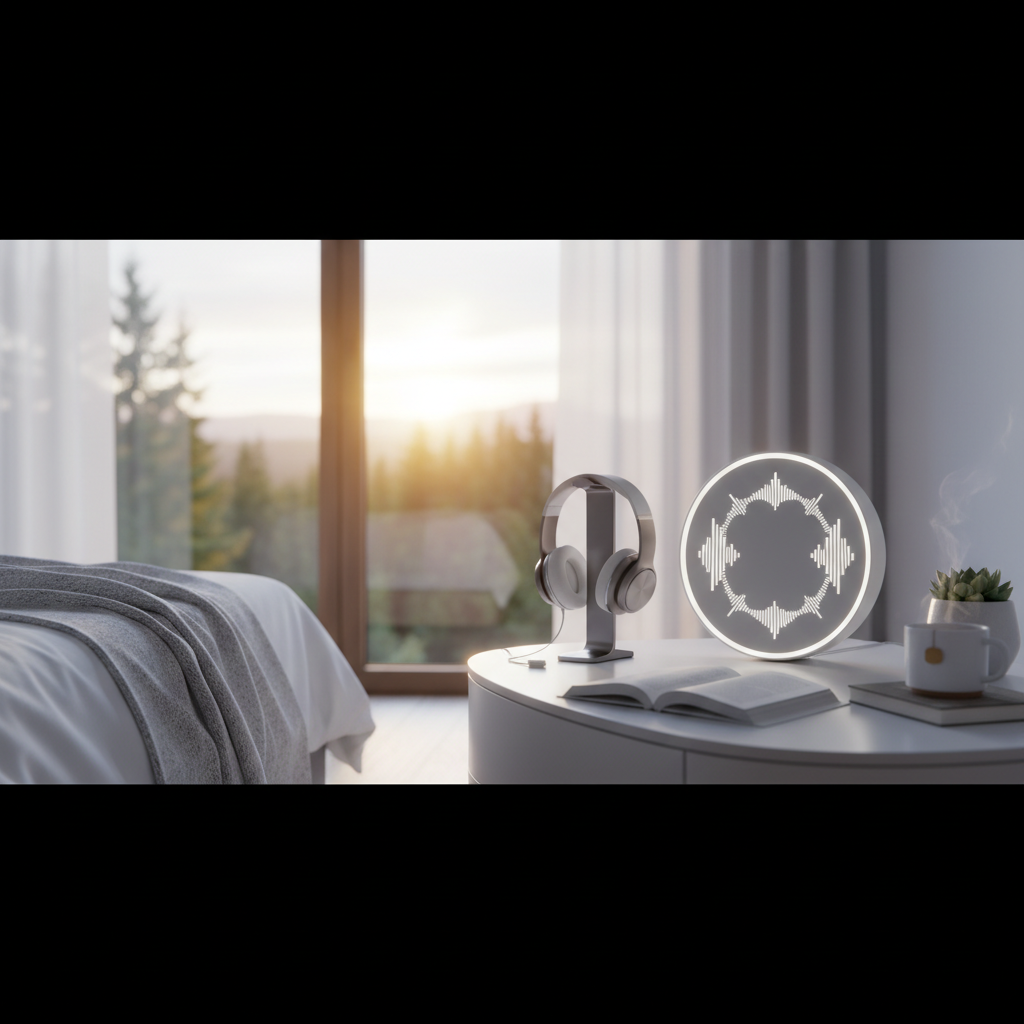
Waking up to a jarring beep is one of the most unpleasant ways to start your day. A music alarm clock changes that experience entirely, replacing harsh tones with songs, radio stations, or curated playlists that ease you into consciousness rather than jolting you out of it. Whether you’re a dedicated audiophile or just someone who wants a more pleasant morning routine, understanding what makes the best music alarm clock for your needs can meaningfully improve how you start each day.
Key Takeaways
- Music alarm clocks range from simple clock radios to smart speakers with full app integration
- Sound quality, connectivity options, and alarm customization are the three most important factors to evaluate
- Waking up to music you enjoy has been linked to better mood and reduced grogginess
- Bluetooth music alarm clocks let you stream from your phone; standalone units use FM radio or built-in storage
- Smart alarm clocks can sync with sleep tracking apps to wake you at the optimal point in your sleep cycle
- Budget options can still deliver excellent sound if you prioritize the right features
- The “best” music alarm clock depends on your room size, audio preferences, and how you consume music
Why a Music Alarm Clock Is Worth Considering
Research in sleep science consistently shows that the type of sound you wake up to affects your alertness and mood. A 2020 study published in PLOS ONE found that melodic alarms were associated with reduced morning grogginess, what sleep researchers call “sleep inertia.” Harsh, abrupt tones spike cortisol quickly, which can leave you feeling anxious before the day even begins.
A music alarm clock solves this by giving you control over your wake-up audio. That might mean a favorite playlist, a local radio station, or even nature sounds. The result is a gentler, more intentional transition from sleep to wakefulness.
Types of Music Alarm Clocks
Not all music alarm clocks work the same way. Understanding the main categories helps you match a device to your lifestyle.
Clock Radios
The classic format. Clock radios receive FM (and sometimes AM) broadcasts, letting you wake up to live radio. They’re simple, reliable, and require no internet connection. The downside is limited audio quality and no personalization beyond choosing a station.
Bluetooth Alarm Clocks
These pair with your smartphone and let you stream music from any app, including Spotify, Apple Music, YouTube Music, or whatever you prefer. Many also include a built-in speaker that doubles as a bedside audio system. If you’re already streaming music daily, this format makes the most sense. Understanding how Bluetooth transmitters work can help you get the most out of these devices, especially in terms of range and connection stability.
Smart Speaker Alarm Clocks
Devices like the Amazon Echo or Google Nest Hub function as alarm clocks with voice control, music streaming, and smart home integration. You can say “Alexa, set a music alarm for 7am playing jazz” and it handles the rest. The Bose Home Speaker 300 is a good example of a premium smart speaker that also works beautifully as an alarm clock with rich, room-filling sound.
Sunrise Alarm Clocks with Music
These combine light therapy with audio. They simulate a gradual sunrise over 20–30 minutes before your alarm time, then add sound, often nature sounds or FM radio. They’re especially popular with people who struggle with dark winter mornings.
What to Look for in a Music Alarm Clock
Sound Quality
This is the factor most people underestimate. A tinny, low-quality speaker will ruin even your favorite song at 6am. Look for devices with at least a 5W driver, a wide frequency response, and if possible, a dedicated tweeter for clearer highs. Understanding what tweeters do in audio systems gives useful context for why speaker design matters even in compact bedside units.
Connectivity Options
| Connectivity Type | Best For | Limitations |
|---|---|---|
| FM Radio | Simplicity, no smartphone needed | Limited song selection |
| Bluetooth | Streaming any music app | Requires phone nearby |
| Wi-Fi / Smart Speaker | Voice control, full streaming | Needs internet connection |
| Aux Input | Wired connection to any device | Less convenient |
| USB / SD Card | Playing local music files | Outdated for most users |
Alarm Customization
The best music alarm clocks let you set multiple alarms, choose different sounds for different days, and adjust the volume ramp so the alarm starts soft and gradually gets louder. Abrupt full-volume alarms defeat the purpose of a music alarm clock.
Display and Usability
A clear, dimmable display matters more than you might think. Bright LED screens at 3am are genuinely disruptive to sleep quality. Look for adjustable brightness or auto-dimming features.
Battery Backup
Power outages happen. A built-in battery backup ensures your alarm still fires even if the power goes out overnight, something clock radios have always handled well, but Bluetooth and smart speaker options sometimes neglect.
Music Alarm Clock Comparison: Key Features at a Glance
| Feature | Clock Radio | Bluetooth Clock | Smart Speaker | Sunrise Clock |
|---|---|---|---|---|
| Sound Quality | Moderate | Good to Excellent | Excellent | Moderate |
| Music Customization | Low | High | Very High | Low to Moderate |
| Internet Required | No | No | Yes | No |
| Voice Control | No | Rarely | Yes | No |
| Light Therapy | No | Rarely | Rarely | Yes |
| Average Price Range | $20–$60 | $40–$120 | $80–$250 | $50–$200 |
Getting the Most Out of Your Music Alarm Clock
Build a Dedicated Wake-Up Playlist
Rather than relying on shuffle or radio, curate a playlist specifically for waking up. Start with slower, calming tracks and gradually include more energetic songs. The progression matters, as your brain responds to musical tempo cues even before you’re fully conscious.
Match Volume to Room Size
A small bedside speaker doesn’t need to be loud to be effective. In a standard bedroom, 70–80 decibels is plenty. Overpowering your room with a large speaker can actually increase stress rather than reduce it. Portable Bluetooth speakers like those covered in the JBL Grip vs Flip 7 comparison can double as music alarm clocks when paired with a phone alarm, a practical option if you already own one.
Use Gradual Volume Increase
Most dedicated music alarm clocks include a “fade in” or “crescendo” alarm setting. Always enable this. Waking up to sudden loud music is nearly as jarring as a traditional alarm. The gradual increase gives your brain time to transition naturally.
Consider a Backup Alarm
If you’re a heavy sleeper, pair your music alarm clock with a secondary alarm on your phone set five minutes later. This way you get the pleasant music wake-up experience without the risk of sleeping through it entirely.
Common Mistakes to Avoid
- Choosing style over sound quality: A sleek-looking clock with poor audio will frustrate you every morning
- Ignoring display brightness: A clock that lights up your room at full brightness disrupts sleep quality
- Skipping the snooze limit feature: Some clocks let you cap snooze attempts, which helps build better wake-up habits
- Overlooking speaker distortion at high volumes: Always test a speaker at your intended alarm volume before committing to it. Why speakers sometimes pop or distort is worth understanding if you’re pushing a small driver hard
- Relying solely on Bluetooth without checking connection stability: A dropped Bluetooth connection mid-alarm is a real problem. Learn why Bluetooth speakers sometimes disconnect to avoid this issue
Budget vs. Premium: Is Spending More Worth It?
You don’t need to spend a lot to get a functional music alarm clock. A $40–$60 Bluetooth clock radio covers the basics well. However, stepping up to a $100–$150 smart speaker or dedicated audio alarm clock brings noticeably better sound, more reliable connectivity, and smarter alarm features.
For audiophiles who care deeply about morning sound quality, something like a compact powered bookshelf speaker paired with a smart plug and a streaming device can outperform any dedicated alarm clock on the market. The Edifier R1280T is a popular choice in this category, not marketed as an alarm clock, but capable of delivering far superior audio when set up correctly.
Conclusion
The best music alarm clock is the one that fits your listening habits, your room, and your morning routine. If you stream music daily, a Bluetooth or smart speaker alarm clock is the natural choice. If you prefer simplicity, a quality clock radio still does the job well. What matters most is prioritizing sound quality and alarm customization over flashy features you’ll never use. A good wake-up experience is a small investment that pays off every single morning.
Frequently Asked Questions
Can I use a regular Bluetooth speaker as a music alarm clock?
Yes, if you pair it with a phone alarm set to play music through the speaker. Just make sure the speaker stays connected overnight, as some devices disconnect after a period of inactivity.
What is the best music to wake up to?
Research suggests melodic, moderately upbeat music works best. Songs with a gradual build, starting calm and becoming more energetic, are particularly effective at reducing sleep inertia.
Do music alarm clocks work for heavy sleepers?
They can, especially if you use a gradual volume increase that reaches a loud level by the end. Many heavy sleepers benefit from pairing a music alarm with a secondary backup alarm.
Is a sunrise alarm clock better than a music alarm clock?
They serve different purposes. Sunrise clocks use light to begin the wake-up process, while music clocks use sound. Many people find the combination of both, available in some premium models, most effective.
Can a smart speaker replace a dedicated alarm clock?
For most people, yes. Smart speakers offer superior sound quality, full music streaming, voice control, and reliable alarm scheduling, making them a practical all-in-one bedside solution.