Choosing the right audio gear for exercise comes down to more than just sound quality. The fit, durability, and comfort of what you put in your ears can make or break a workout. Two of the most common options people consider are IEMs (in-ear monitors) and standard earbuds, and they are not the same thing.
Understanding the differences helps you make a smarter choice based on your specific workout style, whether that is lifting, running, cycling, or anything in between.
Quick Answer
For most workouts, IEMs are the better choice. They create a secure seal in the ear canal, which improves passive noise isolation, keeps them in place during intense movement, and delivers better sound quality overall. Standard earbuds rest in the outer ear and are more likely to fall out, making them less ideal for high-intensity or high-impact exercise.
Key Takeaways
- IEMs sit inside the ear canal and create a seal; earbuds rest in the outer ear without sealing
- IEMs offer better passive noise isolation, which can improve focus during workouts
- Earbuds are generally more comfortable for casual, low-intensity activity like walking
- Sweat resistance is available in both types, but you should always check the IP rating
- IEMs tend to stay in place better during running, jumping, and lifting
- Sound quality is typically higher IEMs at a comparable price point
What Is the Difference Between IEMs and Earbuds?
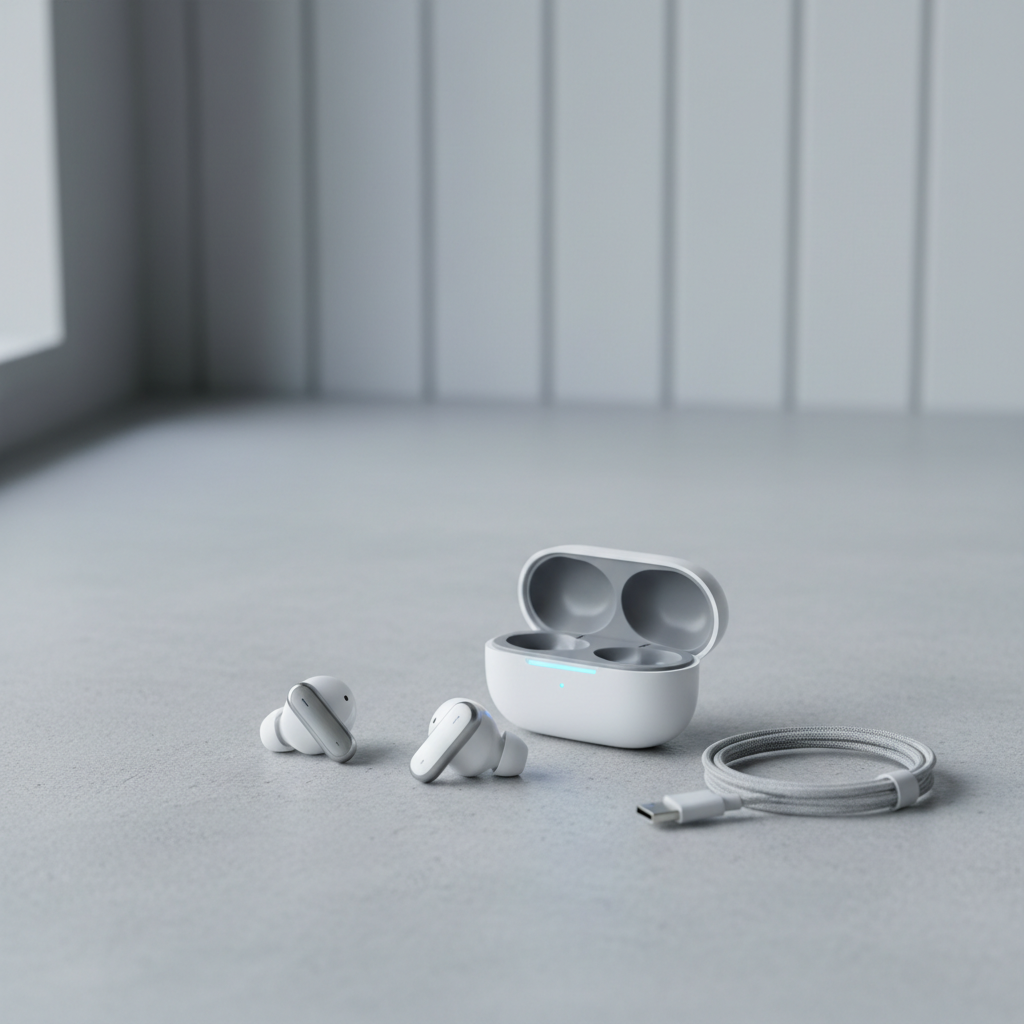
IEMs (in-ear monitors) are designed to fit inside the ear canal using silicone or foam ear tips that create a physical seal. Originally developed for professional musicians and audio engineers, they now come in consumer-friendly versions at a wide range of price points.
Earbuds sit in the outer bowl of the ear (the concha) without going into the ear canal. They do not create a seal, which means sound leaks in and out more freely. Apple’s original wired EarPods are a classic example of this design.
For a deeper breakdown of how these two styles compare, check out this guide on earbuds vs. in-ear monitors: what’s the difference.
Which Stays in Your Ears Better During Exercise?
IEMs win here, and it is not particularly close. The ear tip seal creates a friction-based lock inside the ear canal that resists movement. Even during sprinting or high-intensity interval training, a properly fitted IEM is unlikely to fall out.
Earbuds rely entirely on the shape of your outer ear to stay put. Since ear shapes vary significantly from person to person, the fit is inconsistent. Many people find that earbuds work fine for walking but start slipping during a run or any lateral movement.
Tips for getting a better fit with IEMs:
- Try multiple ear tip sizes (most IEMs include small, medium, and large)
- Consider foam tips for a more secure and comfortable seal
- Look for IEMs with ear hooks or over-ear wire guides for extra stability
How Does Sound Quality Compare for Workouts?
IEMs generally deliver better sound quality than earbuds at similar price points. The sealed design blocks ambient noise passively, which means you hear more of your music and less of your surroundings without needing to raise the volume.
Earbuds allow more ambient sound through, which some people actually prefer during outdoor runs for safety reasons. If you are running near traffic, hearing your environment matters.
That said, many modern wireless earbuds now include ambient sound modes and activerows the gap. However, the underlying audio performance of IEMs at comparable prices still tends to be stronger due to their more precise acoustic chamber design.
Are IEMs or Earbuds Better for Sweat and Water Resistance?
Sweat resistance is critical for workout audio gear, and this is not determined by the IEM vs. earbud category. It is determined by the IP rating of the specific product.
Look for a rating of IPX4 or higher for workout use. IPX4 means the device can handle splashing water from any direction, which covers most sweat and light rain scenarios. IPX7 means the device can be submerged in up to 1 meter of water for 30 minutes.
Both IEMs and earbuds come in sweat-resistant versions, so this should not be the deciding factor between the two types. Always check the product’s IP rating before buying.
Which Is More Comfortable for Long Workouts?
Comfort during extended wear is where earbuds can have an advantage. Because they do not go into the ear canal, they create less pressure and cause less ear fatigue over time. Some people find that IEM ear tips, especially silicone ones, become uncomfortable after 60 to 90 minutes of continuous wear.
Foam ear tips can help reduce this issue significantly. They are softer and conform to the shape of your ear canal, which distributes pressure more evenly.
If your workouts are shorter and more intense, IEMs are likely the better fit. If you are doing longer, lower-intensity sessions like walking or light cycling, earbuds may feel more comfortable over time.
IEMs vs Working Out: Comparison Table
| Feature | IEMs | Earbuds |
|---|---|---|
| Fit Security | Excellent | Moderate |
| Sound Quality | Higher (generally) | Good, varies |
| Noise Isolation | Strong (passive seal) | Minimal |
| Comfort (long wear) | Can cause fatigue | Generally more comfortable |
| Ambient Awareness | Low (unless transparency mode) | High naturally |
| Sweat Resistance | Depends on IP rating | Depends on IP rating |
| Best For | High-intensity workouts | Walking, casual use |
Should You Use IEMs or Earbuds for Specific Workout Types?
Running: IEMs are the better choice for treadmill running. For outdoor running near traffic, earbuds or IEMs with a transparency mode are safer since ambient awareness matters.
Weightlifting: IEMs are ideal. They stay put during dynamic movements and deliver the focused, punchy sound that works well in a loud gym environment.
Cycling: Either can work, but earbuds may be preferable outdoors for safety. Indoors on a stationary bike, IEMs perform well.
Walking or Light Cardio: Earbuds are perfectly adequate and often more comfortable for lower-intensity sessions.
If you are building out your audio setup more broadly, it is worth reading about best over-ear headphones under $200 as an alternative for home workouts where portability is less important.
Conclusion
For most workout scenarios, IEMs outperform standard earbuds in fit security, sound quality, and noise isolation. Earbuds remain a reasonable option for low-intensity activity or situations where ambient awareness is a priority. The right choice depends on your specific workout style and how long you plan to wear them.
If you want reliable, stay-in-place audio for intense training sessions, IEMs are the more practical and capable option for the majority of people.
FAQs
Are IEMs safe to use during workouts?
Yes, IEMs are safe for workouts as long as you choose a pair with an appropriate sweat resistance rating (IPX4 or higher). Keep the volume at a reasonable level to protect your hearing during extended sessions.
Do IEMs fall out when you sweat?
Sweat can affect the seal of silicone ear tips, causing them to slip slightly. Foam ear tips tend to hold their position better when wet, making them a good option for high-intensity workouts.
Can I use regular earbuds for running?
You can, but they are more likely to fall out during running, especially at higher intensities. If fit is an issue, look for earbuds designed specifically for sports use with ear fins or hooks.
What IP rating do I need for workout headphones?
IPX4 is the minimum recommended rating for workout use. It protects against sweat and splashing water. If you exercise outdoors in rain frequently, consider IPX5 or higher.
Are wireless IEMs as good as wired ones for the gym?
Wireless IEMs are generally better for gym use because they eliminate cable interference and tangling. Sound quality in wireless IEMs has improved significantly, and for workout purposes, the convenience of no cables outweighs any minor audio differences.