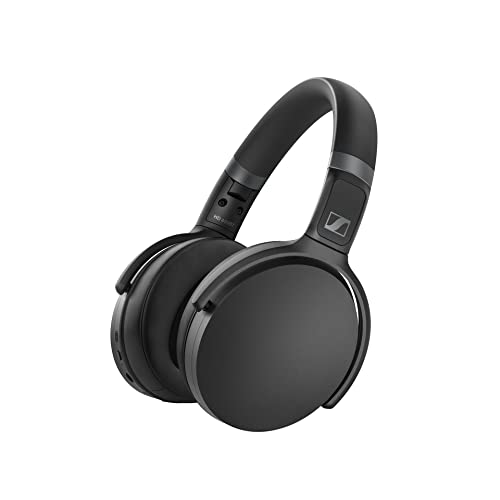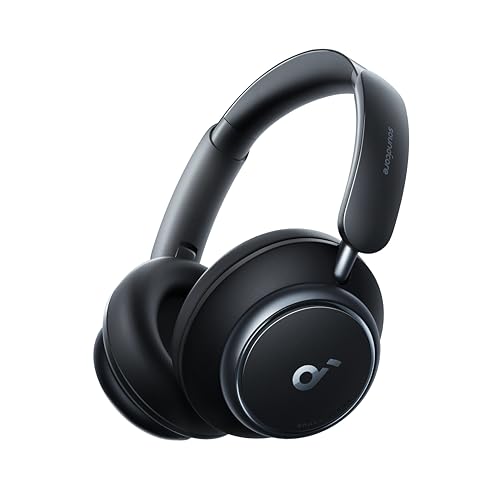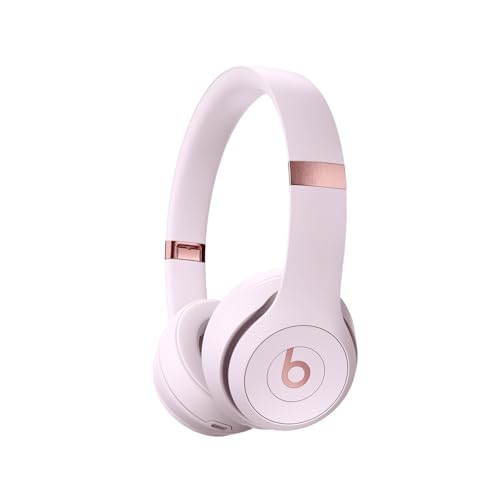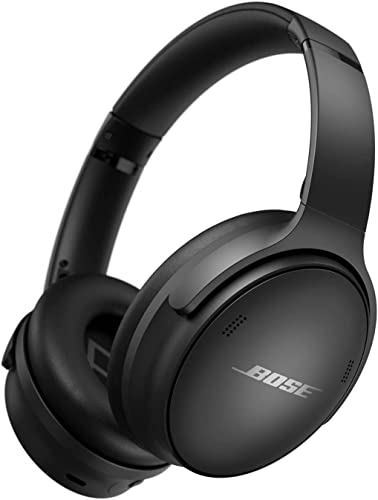
Finding great over-ear headphones without spending a fortune is genuinely achievable. The $200 price ceiling has become something of a sweet spot in the headphone market — high enough to get real engineering and quality components, low enough that you’re not committing to a luxury purchase. Whether you’re looking for noise cancellation for a daily commute, a wide soundstage for music listening at home, or something versatile enough to handle both, this guide breaks down everything you need to know before buying.
Ready to see our top picks? Check out our full roundup of the best over-ear headphones under $200 for our hands-on recommendations.
Key Takeaways
- The $200 price range offers access to genuine active noise cancellation (ANC), premium build quality, and strong audio performance
- Comfort and fit matter just as much as sound — over-ear headphones vary significantly in clamping force, ear cup size, and weight
- ANC quality differs considerably between models; not all noise cancellation is created equal
- Wired and wireless performance can differ even within the same headphone — check both if you plan to use both
- Codec support (AAC, aptX, LDAC) affects wireless audio quality more than most buyers realize
- Battery life varies widely in this price range — anywhere from 20 to 60+ hours depending on the model
- Brand reputation matters for long-term reliability, driver replacement, and customer support
Why the Under-$200 Category Is Worth Taking Seriously
A decade ago, $200 headphones were firmly mid-tier at best. Today, the engineering at this price point is genuinely impressive. Brands like JBL, Sony, Soundcore, Treblab, and Jabra have all pushed the quality bar significantly, and buyers are the clear winners.
That said, this market is also crowded with options that look great on paper but disappoint in real use. Knowing what specifications actually matter — and which are just marketing numbers — is the difference between a great purchase and a frustrating one.
What to Look for in Over-Ear Headphones Under $200
Sound Signature
Sound signature refers to how a headphone emphasizes different parts of the frequency range. There’s no universally “correct” sound signature, but understanding them helps you match a headphone to your preferences.
- Neutral/Flat: Accurate, studio-like reproduction. Preferred by audiophiles and those who listen to a wide range of genres
- V-shaped: Boosted bass and treble with a slightly recessed midrange. Common in consumer headphones and popular for energetic genres
- Warm: Elevated bass with smooth highs. Forgiving on lower-quality recordings and comfortable for long sessions
- Bright: Emphasized treble and detail. Can cause listening fatigue over time but feels exciting and detailed
If you’re building a home listening setup alongside powered bookshelf speakers, it’s worth understanding how tweeters handle high-frequency audio — the same principles apply to headphone driver design.
Active Noise Cancellation (ANC)
ANC has become a baseline expectation in this price range, but implementation varies significantly. Effective ANC uses microphones to sample ambient noise and generate an inverse sound wave to cancel it out. The best implementations in this category can reduce low-frequency drone (like airplane engines or HVAC systems) by 20–30 dB.
Key things to check:
- Does ANC introduce audible hiss at low volumes?
- How much does ANC affect battery life?
- Is there a transparency or ambient mode for situational awareness?
Wireless Codec Support
This is one of the most overlooked specs in this category. Bluetooth audio quality depends heavily on the codec used to compress and transmit audio.
| Codec | Quality Level | Latency | Common Devices |
|---|---|---|---|
| SBC | Baseline | Higher | All Bluetooth devices |
| AAC | Good | Moderate | Apple devices primarily |
| aptX | Better | Lower | Android, Windows |
| aptX HD | High | Low | Select Android devices |
| LDAC | Excellent | Variable | Sony, Android 8+ |
If you’re using an Android device and care about audio quality, LDAC support is worth prioritizing. Apple users will benefit most from AAC support.
Build Quality and Comfort
Over-ear headphones are worn for hours at a time, so comfort is non-negotiable. Things to assess:
- Ear cup size: Larger cups fully enclose the ear; smaller ones may rest on the ear instead
- Clamping force: Too tight causes pressure headaches; too loose means poor isolation and fit
- Headband padding: Critical for longer sessions
- Weight: Heavier headphones cause fatigue; aim for under 300g for extended use
- Materials: Metal hinges and headbands outlast plastic ones significantly
Battery Life
For wireless over-ear headphones in this range, typical battery life looks like this:
| Battery Range | What to Expect |
|---|---|
| 20–30 hours | Acceptable for daily commuting |
| 30–40 hours | Solid for travel and regular use |
| 40–60 hours | Excellent; covers multi-day trips |
| 60+ hours | Premium endurance, often with ANC off |
Note that ANC typically reduces battery life by 20–30%. Always check the rated hours with ANC enabled, not just the maximum figure.
Key Features Worth Prioritizing
Multipoint Bluetooth Connection
Multipoint allows a single headphone to stay connected to two devices simultaneously — your laptop and phone, for example. This is increasingly common at the $200 price point and is genuinely useful for people who switch between devices frequently.
Foldable Design
If portability matters to you, a foldable design with an included carrying case is worth seeking out. Not all over-ear headphones in this range fold down, and those that don’t are harder to travel with.
Call Quality
The microphone quality on headphones varies considerably. If you take calls regularly, look for reviews that specifically address call clarity, wind noise rejection, and voice pickup quality — specs alone won’t tell you this.
Common Mistakes When Buying Over-Ear Headphones
Prioritizing specs over comfort. A headphone with impressive frequency response numbers is worthless if you can’t wear it for more than 30 minutes without discomfort.
Ignoring return policies. Fit is personal. A headphone that works perfectly for one person might be uncomfortable for another. Buy from retailers with reasonable return windows.
Assuming higher price means better sound. In the under-$200 category, diminishing returns are real. A $150 pair from a reputable brand often outperforms a $190 pair from an unknown manufacturer.
Overlooking wired performance. Many people buy wireless headphones and never use the cable, but wired mode can be useful for gaming, air travel, or when battery is low. Some headphones sound noticeably better (or worse) wired.
If you’re also exploring wireless audio more broadly, understanding how Bluetooth transmitters work can help you get the most out of any wireless headphone setup.
How Over-Ear Headphones Compare to Other Headphone Styles
Over-ear (circumaural) headphones differ from on-ear (supra-aural) and in-ear designs in meaningful ways:
- Passive isolation: Over-ear designs create a seal around the ear, providing better natural noise isolation than on-ear styles
- Soundstage: Larger drivers and more physical space typically produce a wider, more immersive soundstage
- Comfort for glasses wearers: The ear cup seal can be disrupted by glasses frames, which is worth testing before buying
- Portability: Over-ear headphones are bulkier and heavier than on-ear or in-ear options
For buyers who’ve tried over-ear headphones and found them uncomfortable, it’s worth exploring whether the issue is ear cup size, clamping force, or weight — all of which vary between models.
Brands That Consistently Perform in This Price Range
Several manufacturers have built strong reputations specifically in the under-$200 headphone segment:
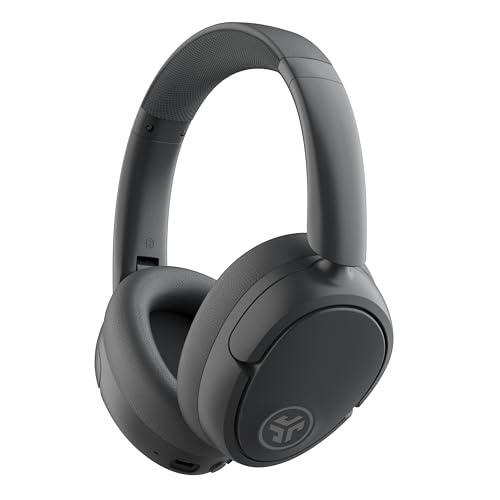
- JBL — Known for consumer-friendly sound signatures and reliable build quality. The JBL Tune 770NC is a well-regarded example of what JBL delivers at this price
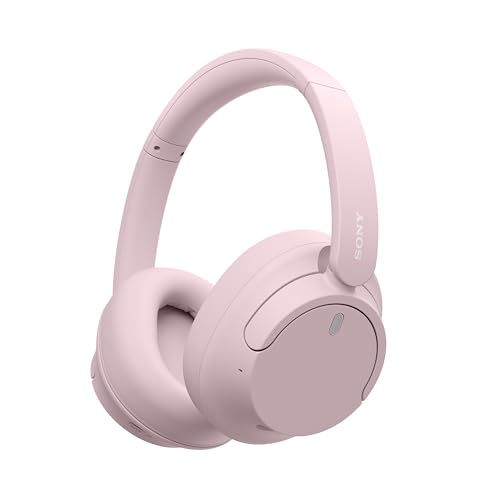
- Sony — Offers LDAC support and strong ANC at accessible prices; the WH-CH720N sits comfortably in this range
- Soundcore (by Anker) — Consistently punches above its price point; the Soundcore Q20i demonstrates the brand’s value proposition
- Treblab — Worth considering for buyers prioritizing features per dollar; the Treblab Z2 is a notable example
- Jabra — Particularly strong for call quality and office use
Conclusion
The best over-ear headphones under $200 aren’t defined by a single spec or feature — they’re defined by how well they match your specific use case. A commuter needs strong ANC and long battery life. A home listener might prioritize sound quality and comfort above all else. A remote worker needs reliable call quality and multipoint connectivity.
Understanding what actually matters to you before shopping is the single most important step. Focus on sound signature preference, comfort requirements, ANC quality if relevant, and codec support for your specific devices. Ignore marketing superlatives and look for detailed, real-world reviews that address your actual use case.
At $200, you’re not making compromises — you’re making choices. The right choice depends entirely on how you plan to listen.
Frequently Asked Questions
Are over-ear headphones better than on-ear headphones for sound quality?
Generally, yes — over-ear designs allow for larger drivers and better passive isolation, which tends to produce a more immersive soundstage. However, individual models vary significantly, and a well-engineered on-ear headphone can outperform a poorly designed over-ear one.
Do I need active noise cancellation if I mostly listen at home?
Not necessarily. ANC is most valuable in noisy environments like public transit or open offices. For home listening in a quiet room, passive isolation from a well-fitted over-ear headphone is often sufficient, and skipping ANC can free up budget for better audio quality.
How important is Bluetooth codec support if I’m using an iPhone?
For iPhone users, AAC is the most relevant codec since iOS doesn’t support aptX or LDAC natively. Prioritizing AAC support on your headphones will give you the best wireless audio quality on Apple devices.
Can I use wireless over-ear headphones with a wired connection?
Most wireless over-ear headphones in this price range include a 3.5mm cable for wired use, though some higher-end models use USB-C audio instead. Wired mode also works when the battery is dead, which is a useful backup.
How long should over-ear headphones last at this price point?
With reasonable care, a quality pair of over-ear headphones in the $150–$200 range should last three to five years. Build quality, hinge durability, and ear pad replaceability are the main factors affecting longevity.