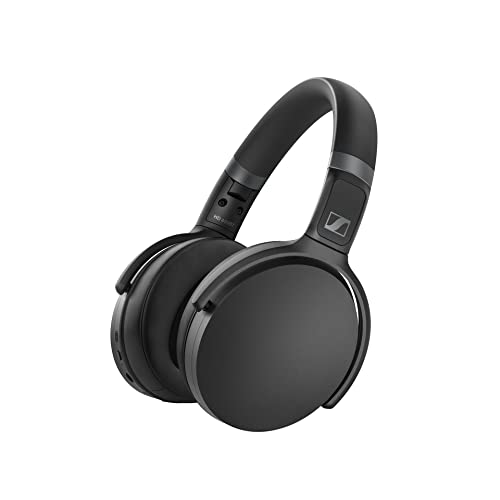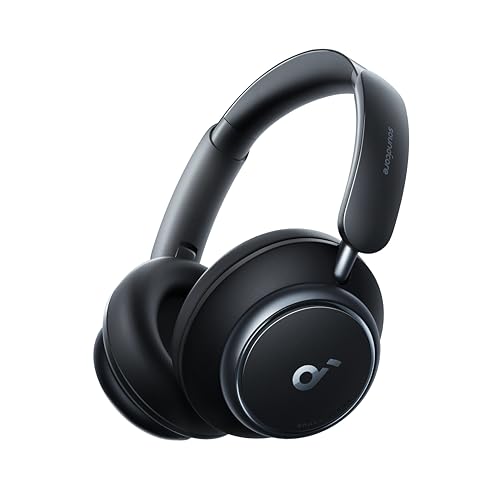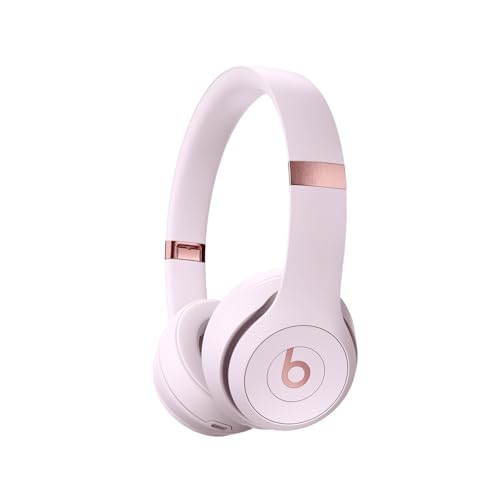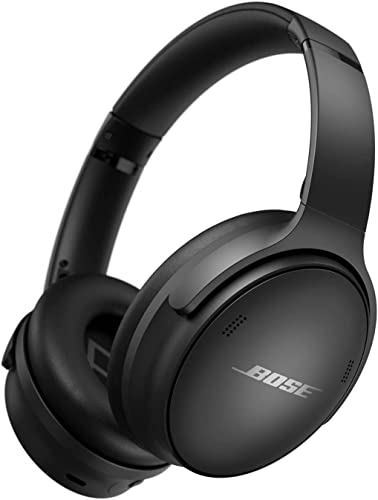
Noise-cancelling headphones have become increasingly common for adults, but parents are now asking whether children can benefit from them too. With more kids using headphones for school, travel, and entertainment, the question of whether active noise cancellation (ANC) is actually helpful or necessary for young users deserves a clear, honest answer.
The short answer depends on the child’s needs, environment, and age. Not every kid needs noise-cancelling headphones, but for specific situations, they can make a meaningful difference.
Quick Answer
Kids do not universally need noise-cancelling headphones, but they can be genuinely beneficial for children who are sensitive to loud environments, have sensory processing challenges, or frequently use headphones in noisy settings like airplanes or busy classrooms. For most everyday use, standard headphones with good passive isolation are sufficient.
Key Takeaways
- Noise-cancelling headphones are not essential for all children, but they offer real benefits in specific situations
- Children with sensory sensitivities, ADHD, or autism spectrum disorder often benefit the most from ANC headphones
- Volume-limiting headphones are a more critical safety feature for kids than noise cancellation
- Passive noise isolation (physical seal over the ear) can be nearly as effective as ANC for many use cases
- Age, fit, and comfort matter more than features when choosing headphones for young children
- Long-term daily use of ANC headphones by children is still an area with limited research
When Noise-Cancelling Headphones Actually Help Kids
Traveling and Loud Environments
Airplane cabins, busy airports, and long car rides produce consistent low-frequency background noise that can be exhausting for children. Active noise cancellation works particularly well in these environments because it is designed to counteract steady, repetitive sounds.
For kids who struggle to sleep or focus during travel, ANC headphones can reduce fatigue and overstimulation. This is one of the clearest and most practical use cases for children.
Sensory Sensitivities and Special Needs
Children with sensory processing disorder, autism spectrum disorder, or ADHD are often more affected by background noise than neurotypical kids. For these children, noise-cancelling headphones can serve as a genuine comfort and coping tool, not just a convenience.
In these cases, ANC headphones may be recommended as part of a broader sensory management strategy. Parents should consult with an occupational therapist or pediatrician for personalized guidance.
Focus During Schoolwork or Remote Learning
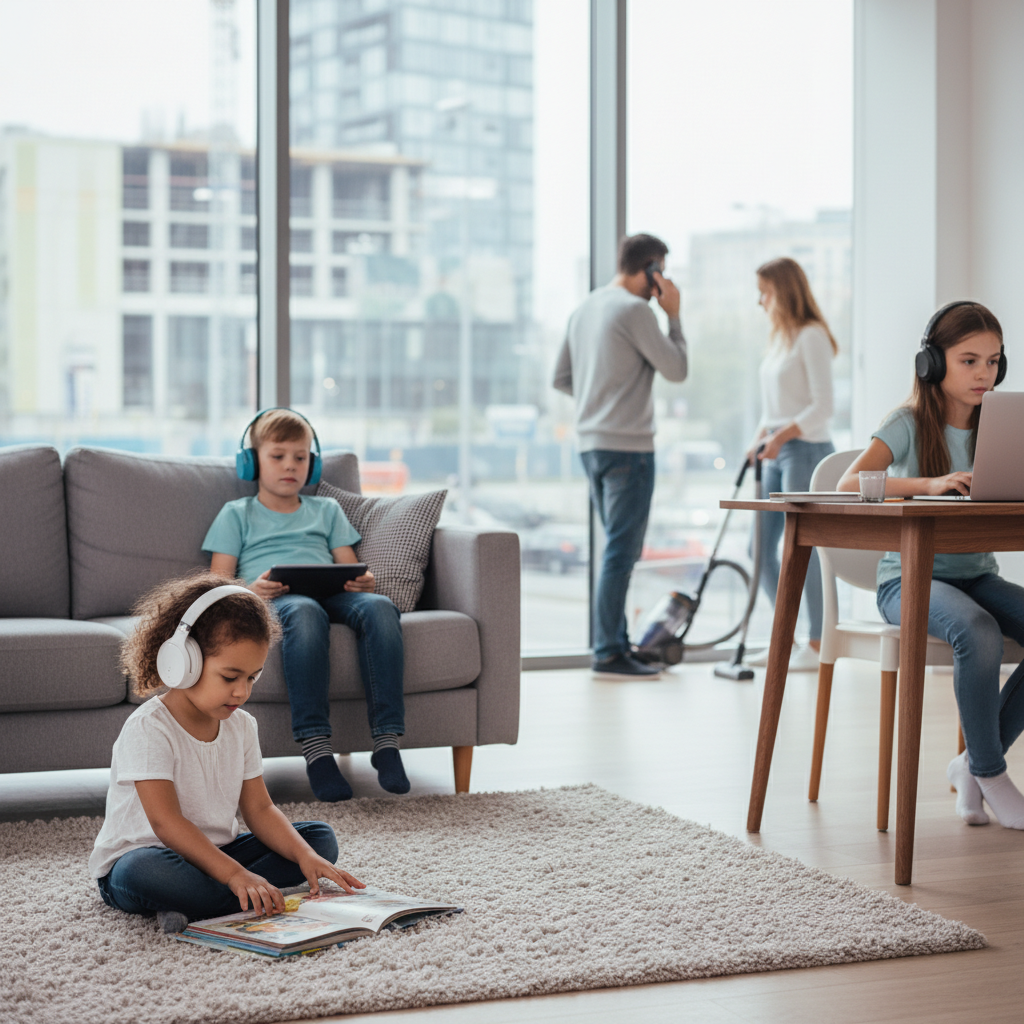
Open-plan homes and shared spaces make it difficult for kids to concentrate on homework or online classes. Noise-cancelling headphones can help children stay on task by reducing distracting background sounds.
That said, standard headphones with a snug fit often provide enough passive isolation for this purpose without requiring the added cost of ANC technology.
What to Prioritize Over Noise Cancellation
Volume Limiting Is More Important
For children, volume limiting is a far more critical feature than noise cancellation. Young ears are more vulnerable to hearing damage, and the World Health Organization recommends keeping listening levels below 75 decibels for extended periods.
Look for headphones that cap output at 85 dB or lower. This feature directly protects hearing health, while noise cancellation is more about comfort and focus.
If you want to explore more about headphone features and performance, this guide to best over-ear headphones under $200 covers what specs actually matter when evaluating audio gear.
Fit and Comfort Come First
Headphones that do not fit properly will not stay on a child’s head, regardless of how advanced the technology is. Look for:
- Adjustable headbands sized for smaller heads
- Lightweight construction to avoid neck strain
- Soft ear cushions that do not cause pressure discomfort
- Durable build quality that can handle drops and rough handling
A well-fitting pair of standard headphones will outperform a poorly fitting ANC pair every time.
Passive Noise Isolation vs. Active Noise Cancellation
Many parents confuse these two features. Passive noise isolation refers to the physical blocking of sound through the ear cup design, while active noise cancellation uses microphones and processing to electronically cancel incoming sound waves.
For most children in most situations, good passive isolation is adequate. ANC adds meaningful value primarily in high-noise environments like airplanes or loud public spaces.
| Feature | Passive Isolation | Active Noise Cancellation |
|---|---|---|
| How it works | Physical seal blocks sound | Electronics cancel sound waves |
| Best for | Everyday use, moderate noise | Travel, loud or constant noise |
| Battery required | No | Yes |
| Cost | Lower | Higher |
| Effect on hearing safety | Neutral | Can reduce urge to raise volume |
Understanding how audio components work together can also help parents make smarter purchasing decisions. For example, knowing what tweeters do in an audio system helps explain why headphone sound quality varies so much across price points.
Potential Downsides of ANC Headphones for Kids
- Some children find the pressure sensation of active noise cancellation uncomfortable
- ANC headphones require charging, which adds a maintenance responsibility
- Higher cost means more financial risk if the headphones are lost or broken
- Over-reliance on noise-cancelling headphones in social settings may limit a child’s ability to adapt to normal environmental sounds
Conclusion
Noise-cancelling headphones are not a necessity for most children, but they are a genuinely useful tool for kids who travel frequently, have sensory sensitivities, or need help focusing in noisy environments. Before prioritizing ANC, parents should first ensure any headphones their child uses include volume limiting and offer a comfortable, secure fit.
For families exploring broader audio options, understanding features like what headphone amps do and how to choose the right one can also provide helpful context for building a complete audio setup at home. And if you are also thinking about whole-home sound, the complete guide to outdoor Alexa speakers is a practical starting point.
Frequently Asked Questions
At what age can kids use noise-cancelling headphones?
Most manufacturers recommend ANC headphones for children aged 3 and older, though fit and comfort are the more important factors than age alone. Always check the manufacturer’s age recommendations and ensure the headphones are appropriately sized.
Are noise-cancelling headphones safe for children’s ears?
Yes, when used at appropriate volume levels. ANC headphones can actually reduce the temptation to turn up the volume in noisy environments, which may support hearing health. Volume-limiting features remain the most important safety consideration.
Can noise-cancelling headphones help kids with ADHD?
Research and anecdotal evidence suggest that reducing background noise can improve focus and reduce overstimulation in children with ADHD. However, results vary by individual, and ANC headphones should be considered one tool among many.
Do kids need ANC headphones for school?
Most children do not need ANC headphones for a typical school setting. For remote learning at home in a noisy environment, they can help with focus, but standard headphones with good passive isolation are usually sufficient.
What is the difference between noise-cancelling and noise-isolating headphones for kids?
Noise-cancelling uses electronic processing to reduce ambient sound, while noise-isolating relies on the physical design of the ear cups to block sound passively. Both reduce what the child hears, but ANC is more effective in consistently loud environments.