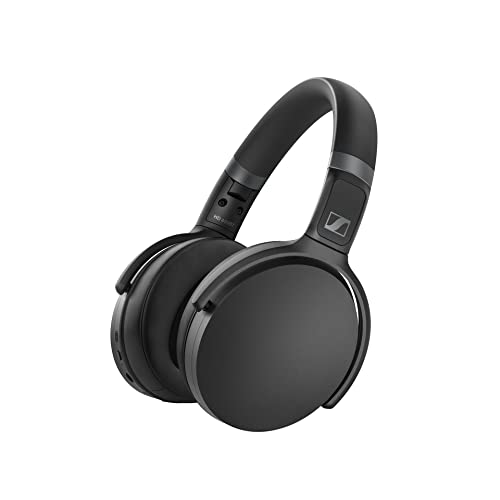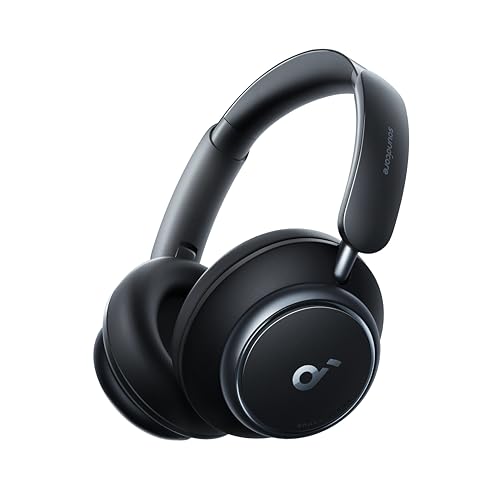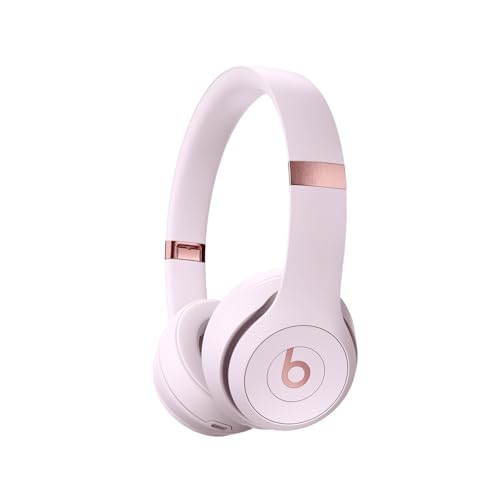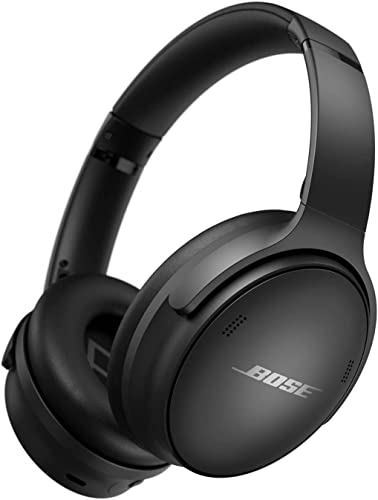
Active noise cancellation (ANC) has become one of the most talked-about features in consumer audio. You’ll find it on headphones, earbuds, and even some speakers. But what exactly is it, how does it work, and when does it actually make a difference? This guide breaks it all down in plain terms so you can make better decisions about the audio gear you buy and use.
Key Takeaways
- Active noise cancellation uses microphones and processing to generate an opposing sound wave that neutralizes unwanted ambient noise
- ANC works best on low-frequency, consistent sounds like engine hum, HVAC noise, and airplane cabin roar
- It is less effective on sharp, sudden, or high-frequency sounds like voices or alarms
- There are different types of ANC (feedforward, feedback, and hybrid), and hybrid is generally the most effective
- ANC can slightly affect audio quality, though modern implementations have narrowed that gap considerably
- Transparency mode is a related feature that lets ambient sound intentionally
- Battery life is reduced when ANC is active, since it requires continuous processing power
What Is Active Noise Cancellation?
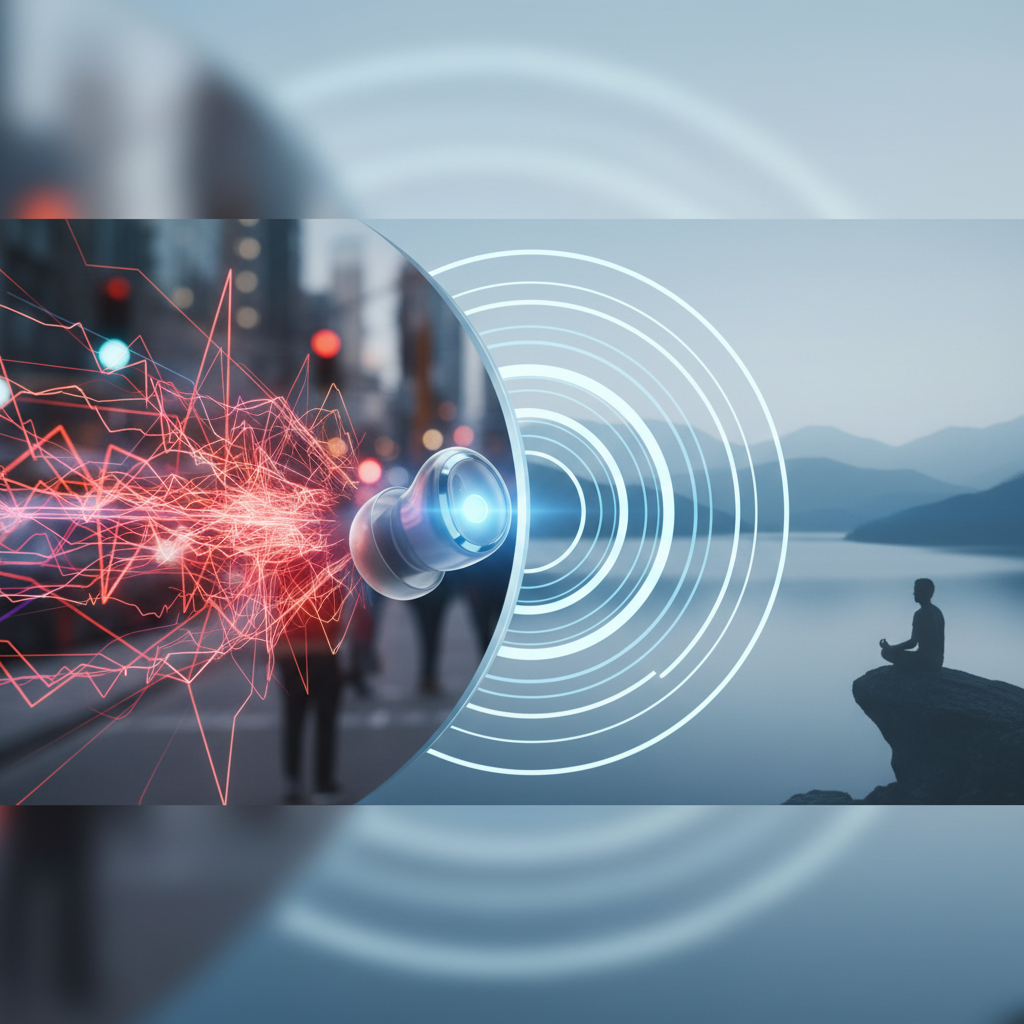
At its core, active noise cancellation is a technology that reduces unwanted ambient sound using a process called destructive interference. Unlike passive noise isolation, which simply uses physical materials to block sound, ANC actively listens to your environment and generates a counter-signal to cancel out specific frequencies.
The process works like this: a microphone picks up the ambient noise around you, the headphone’s processor analyzes that signal almost instantly, and then the speaker produces a sound wave that is the exact inverse (or “anti-phase”) of the incoming noise. When two waves that are perfectly opposite meet, they cancel each other out. The result is that you hear significantly less of the surrounding noise.
This is a fundamentally different approach from passive isolation. Foam ear tips, thick ear cups, and tight seals all reduce sound through physical barriers. ANC, on the other hand, fights sound with sound.
The Three Types of ANC
Not all active noise cancellation is built the same way. There are three main architectures used in consumer headphones and earbuds.
Feedforward ANC
In a feedforward system, the microphone is placed on the outside of the ear cup or earbud housing. It picks up noise before it reaches your ear, giving the processor a head start on generating the cancellation signal. The advantage is that it can react quickly to incoming sound. The downside is that it cannot correct itself if the cancellation is imperfect.
Feedback ANC
A feedback system places the microphone inside the ear cup, closer to where your ear actually is. This allows it to monitor what you’re actually hearing and make adjustments. It’s more self-correcting than feedforward, but it has less time to react to incoming noise since the sound has already arrived.
Hybrid ANC
Hybrid ANC combines both approaches, using microphones on the outside and inside of the housing. This gives it the best of both worlds: the ability to anticipate incoming noise and the ability to self-correct. Most premium headphones and earbuds on the market today use a hybrid configuration for this reason.
| ANC Type | Microphone Position | Self-Correcting | Best For |
|---|---|---|---|
| Feedforward | Outside the housing | No | Fast-moving, predictable noise |
| Feedback | Inside the housing | Yes | Consistent ambient environments |
| Hybrid | Both inside and outside | Yes | General-purpose use, best overall |
What ANC Is Good At (and What It Isn’t)
Understanding the limitations of ANC is just as important as understanding how it works. This technology is not a magic silence button.
ANC excels at:
- Low-frequency, continuous sounds like airplane engine hum
- HVAC and air conditioning noise
- Train and subway rumble
- Road noise while commuting in a car
ANC struggles with:
- High-frequency sounds like voices or alarms
- Sudden, unpredictable noises
- Complex, chaotic sound environments
- Wind noise (though some manufacturers are improving this)
The physics of destructive interference make it much easier to cancel out slow, predictable waveforms. High-frequency sounds change too rapidly for most processors to generate an accurate counter-signal in time. This is why ANC headphones are so popular with frequent flyers but won’t make a crowded coffee shop feel like a library.
If you’re considering ANC for children, it’s worth reading more about whether kids actually need noise-cancelling headphones before making a purchase decision, since the use case matters a lot.
ANC vs. Passive Noise Isolation
Many people assume that ANC is always superior to passive isolation. That’s not necessarily true. Passive isolation through a good seal can be extremely effective, especially for mid and high frequencies where ANC has less impact.
| Feature | Active Noise Cancellation | Passive Noise Isolation |
|---|---|---|
| Best frequency range | Low frequencies | Mid and high frequencies |
| Requires power | Yes | No |
| Adds to battery drain | Yes | No |
| Works without audio playing | Yes | Yes |
| Affected by fit | Somewhat | Heavily |
| Adds processing complexity | Yes | No |
The best noise reduction usually comes from combining both approaches, which is why a well-fitting pair of over-ear headphones with hybrid ANC will outperform either technology alone.
For a deeper look at how headphones perform in the real world, the Soundcore Q20i review offers a grounded look at ANC performance in a budget-friendly package, and the Treblab Z2 review covers how ANC holds up in a more active use scenario.
Does ANC Affect Sound Quality?
This is one of the most common concerns among audiophiles, and it’s a fair one. Early ANC implementations often introduced a subtle hissing artifact or altered the tonal balance of the audio. That was a real problem.
Modern ANC has improved significantly. High-quality implementations introduce very little audible artifact, and many listeners cannot tell the difference between ANC on and off in blind tests. That said, at the budget end of the market, you may still notice some coloration or a slight pressure sensation in your ears when ANC is active.
That ear pressure feeling is actually a known phenomenon. Because ANC reduces the low-frequency content your ears are used to receiving passively, some people interpret the absence of those frequencies as a pressure change. It’s not harmful, but it can be uncomfortable for sensitive listeners.
Transparency Mode: The Flip Side of ANC
Most headphones that include ANC also offer a transparency or ambient sound mode. This does the opposite of noise cancellation. Instead of blocking the outside world, it uses the external microphones to pipe ambient audio into your ears, often amplified slightly so you can hear your environment without removing your headphones.
Transparency mode is useful when you need to have a quick conversation, hear a boarding announcement, or stay aware of your surroundings while cycling or running. It’s a practical companion feature to ANC, and the two together give you a full range of control over how much of the world you let in.
If you’re comparing earbuds and headphones and trying to understand which form factor makes the most of these features, the breakdown of earbuds vs. in-ear monitors is a useful read for understanding how fit and design affect both isolation and ANC performance.
Battery Life and ANC
Running ANC requires constant processing, which draws power. As a rule of thumb, expect ANC to reduce battery life by 20 to 40 percent compared to using your headphones without it. Manufacturers have gotten better at managing this, and many flagship headphones now offer 30 or more hours with ANC enabled. Budget options may drop to 15 to 20 hours.
Some headphones allow you to run ANC independently of music playback, which is useful if you just want a quieter environment without listening to anything. Others tie the two together. It’s worth checking this detail before you buy if it matters to your use case.
Conclusion
Active noise cancellation is a genuinely useful technology when you understand what it can and cannot do. It excels in low-frequency, consistent noise environments like flights, commutes, and open offices. It works best in hybrid configurations that combine feedforward and feedback microphone placement. And while it does consume battery and can introduce minor artifacts at the budget level, modern implementations have made it a reliable feature rather than a marketing gimmick.
The key is matching the technology to your actual needs. If you spend hours on planes or trains, ANC will meaningfully improve your experience. If you’re mostly in quieter environments, passive isolation and a good fit may serve you just as well. Knowing the difference helps you spend smarter and listen better.
Frequently Asked Questions
Does active noise cancellation block all sound?
No. ANC is most effective on low-frequency, consistent sounds like engine hum. It has limited effect on voices, sudden noises, and high-frequency sounds, which pass through more easily.
Is ANC safe for your ears?
Yes, ANC is safe. Some people experience a mild pressure sensation when using it, but this is a perceptual effect, not physical harm. It does not damage hearing.
Can ANC work without music playing?
Yes, many headphones allow ANC to function independently of audio playback, so you can use it purely for a quieter environment without listening to anything.
Does ANC drain the battery faster?
Yes. ANC requires continuous processing power and typically reduces battery life by 20 to 40 percent compared to using headphones with ANC turned off.
What is the difference between ANC and passive noise isolation?
Passive noise isolation uses physical materials and a tight seal to block sound. ANC uses microphones and processing to generate a counter-signal that cancels noise. Both work differently across the frequency spectrum and are often most effective when combined.